
Asian Cricket in Transition: The Three-Way Contest Over Calendar, Cash and Control
एशियाई क्रिकेट इस समय तीन दबावों के बीच है: भीड़भाड़ वाला अंतरराष्ट्रीय कैलेंडर, फ्रैंचाइज़ी लीगों का बढ़ता कारोबार, और एशियाई क्रिकेट परिषद (एसीसी) की सीमित नियामक शक्ति। समस्या यह है कि आईसीसी, एसीसी और सदस्य बोर्ड — तीनों के हित अलग हैं, जिससे खिलाड़ी पर कार्यभार बढ़ता है। महिला क्रिकेट और नेपाल व खाड़ी देशों जैसे नए बाज़ारों में वास्तविक वृद्धि दर्ज हो रही है। भारत-पाकिस्तान मुक़ाबला वित्तीय रूप से सबसे बड़ा है लेकिन राजनीतिक रूप से सबसे नाज़ुक। मुख्य सवाल यह है कि क्या एशियाई क्रिकेट कैलेंडर को खिलाड़ी-केंद्रित बना सकता है, न कि केवल प्रसारण राजस्व-केंद्रित।
Asian cricket is at an inflection point where the bargaining happening off the field matters more than the contest on it. Three forces are pulling at once — a shrinking international calendar, the expanding business of franchise leagues, and the changing role of the Asian Cricket Council (ACC). Caught between them is the player, whom everyone asks how much he can play, while nobody asks how much he wants to play.
Calendar: Too many claims, too little room
In the ICC's Future Tours Programme (FTP) blueprint for 2026 to 2031, Asian teams carry the heaviest load. India, Pakistan, Sri Lanka, Bangladesh and Afghanistan each face a triple obligation: bilateral series, ACC events and global tournaments. The problem is that the three tiers run on different logic. The ICC wants global balance, the ACC wants regional revenue, and member boards want the value of their domestic broadcast rights. The result is that the same player is seen in three different jerseys in one quarter, and rested in the fourth.
Leagues: Parallel employers
Franchise cricket in Asia is no longer a single-country experiment. The Indian Premier League remains the centre of the global market, but around it the Pakistan Super League, Lanka Premier League, Bangladesh Premier League, Nepal Premier League and the UAE's International League T20 have built their own space. Every league makes the same argument: give domestic talent a stage and raise broadcast revenue. In practice, these leagues have become parallel employers for national-team players.
The structural inconsistency is obvious. Boards pay central contracts; leagues pay several times more. When the national calendar and the league calendar collide, the player has two options — accept the terms of the contract, or negotiate an NOC with the board. In several cases that negotiation has spilled into public dispute.
Workload: Beyond the numbers
Workload management is no longer only a fast bowler's issue. Batters and wicketkeepers who play multiple formats across a year feel it too. Players like Rohit Sharma and Virat Kohli have publicly accepted this model by sitting out selected series. In Pakistan, the debate over Shaheen Shah Afridi's workload has reached board level. In Sri Lanka, Wanindu Hasaranga, and in Afghanistan, Rashid Khan, have consistently had to balance league and national duty.
The debate has moved from who plays how much to who decides how much he plays. The board says national duty comes first. The league says it is honouring a contract. The player says his career is finite. All three are right, and that is the real problem — no side is factually wrong, so no side can easily back down.
The ACC: From organiser to regulator?
The ACC has traditionally been a tournament organiser — the Asia Cup, Women's Asia Cup, Under-19 Asia Cup and Emerging Teams Asia Cup are its main products. But as the economic weight of regional cricket has grown, pressure is building on the ACC to move from organiser to regulator. The question is whether the ACC has the authority to enforce binding coordination of member boards' calendars. At present, it does not.
The Asia Cup illustrates this weakness. The hosting model, the split of broadcast rights and the terms of participation are settled through negotiation among member boards — and that negotiation is the hardest part. When political tension surfaces, the playing calendar recedes and diplomacy takes over. This is the ACC's structural limit: it runs on consensus, and consensus is not always available.
Women's cricket: Where growth is real
If there is one area in Asian cricket with the clearest room to expand, it is women's cricket. India's women's team has built a separate market through the WPL, and players like Smriti Mandhana are now faces of the domestic advertising market. Pakistan, Sri Lanka and Bangladesh have also launched women's leagues, though scale and pay remain well behind the men's game.
The ACC's women's tournaments are central to this shift. The Women's Asia Cup is no longer just a calendar entry; it is becoming a gateway for countries where women's cricket has not yet won institutional support. The real challenge here is not audiences but facilities and contracts.
New markets: Nepal, Oman and the Gulf
Among associate nations the change is most interesting. In Nepal, crowd turnout and social media reach have created a market the ICC and Asian boards now take seriously. Players like Sandeep Lamichhane have brought brand value to Nepali cricket.
The Gulf states — the UAE, Oman, Bahrain, Qatar and Saudi Arabia — are emerging fast as hosts. Players such as Muhammad Waseem and Aqib Ilyas are not only representing teams; they are bringing into the sport a market capable of recycling oil-economy revenue back into the game. The question is whether that money goes into grassroots infrastructure or only into hosting rights and sponsorship.
India-Pakistan: Beyond the calendar
No discussion of an Asian calendar is complete without the India-Pakistan fixture. That match is not decided on purely sporting criteria; it is shaped by the consent of both governments, security assessments and the politics of broadcast rights. For the ACC it is both the biggest financial draw and the most fragile point. Format changes, neutral venues and the number of matches are all decisions driven more by politics than by sport.
The impact is not limited to one match. It shapes the planning of the entire regional calendar, because organisers must build structures that pre-absorb every possible scenario. The cost of that uncertainty is ultimately paid by the viewer, who wants a reliable schedule for tickets and streaming.
The road ahead
Cricket's return at the 2028 Los Angeles Olympics offers Asian boards a shared agenda. But earning a place at the Olympics is easy; keeping it requires a calendar that protects the player rather than merely serving the broadcaster.
The real test for Asian cricket is not how many tournaments it can stage. It is whether it can say which tournaments are not needed. A sport with a market this large should also have the option of doing less. For now, Asian cricket's answer to every question is another tournament. That is its greatest strength — and its greatest weakness.
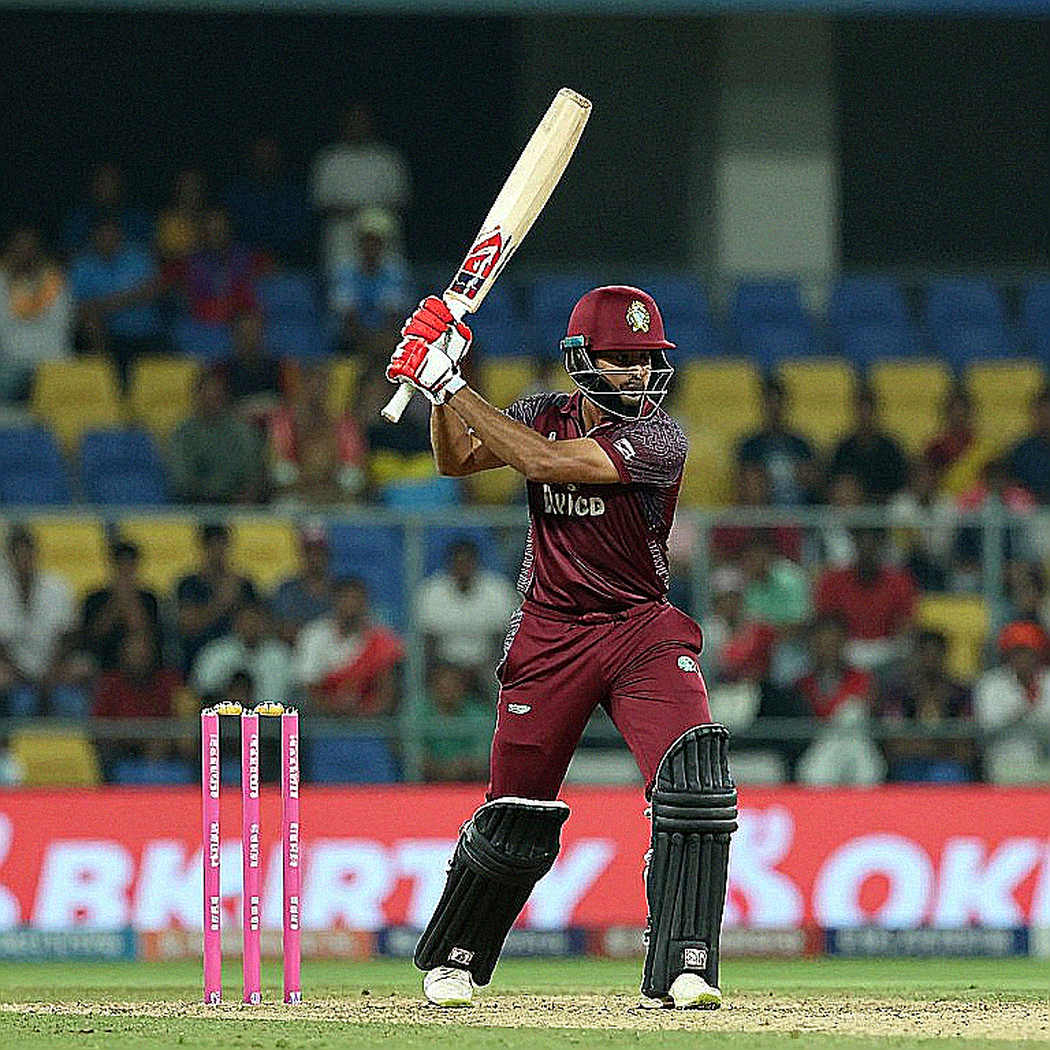

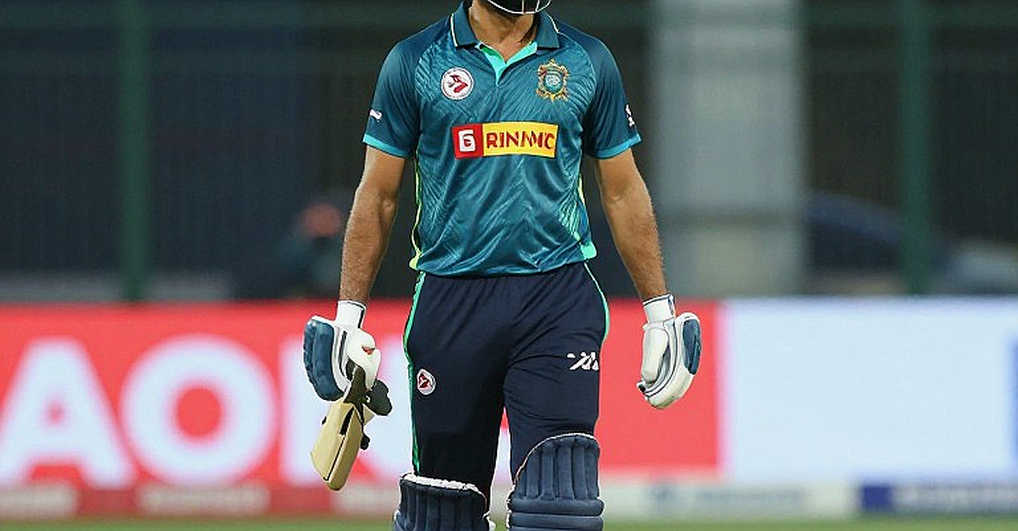
संबंधित खिलाड़ी
अनुशंसित
The Audit of an Empty Tape: When a 'cricket_asia' Packet Arrived With No Facts in It2026-10-30
Youth Pipeline Audit: In Asia, Talent Doesn't Go Missing — It Goes Unrecorded2026-11-01
93, 94, 95: One Point Separates England, Afghanistan and Sri Lanka — and Three Chairs Swap in the ICC ODI Table2026-10-25
Data Unavailability Report: Cricket Analysis Pipeline Failure and Recovery Path2026-11-02
Insufficient Information: When Cricket's Deep-Analysis Report Refused Its Own Conclusions2026-11-01